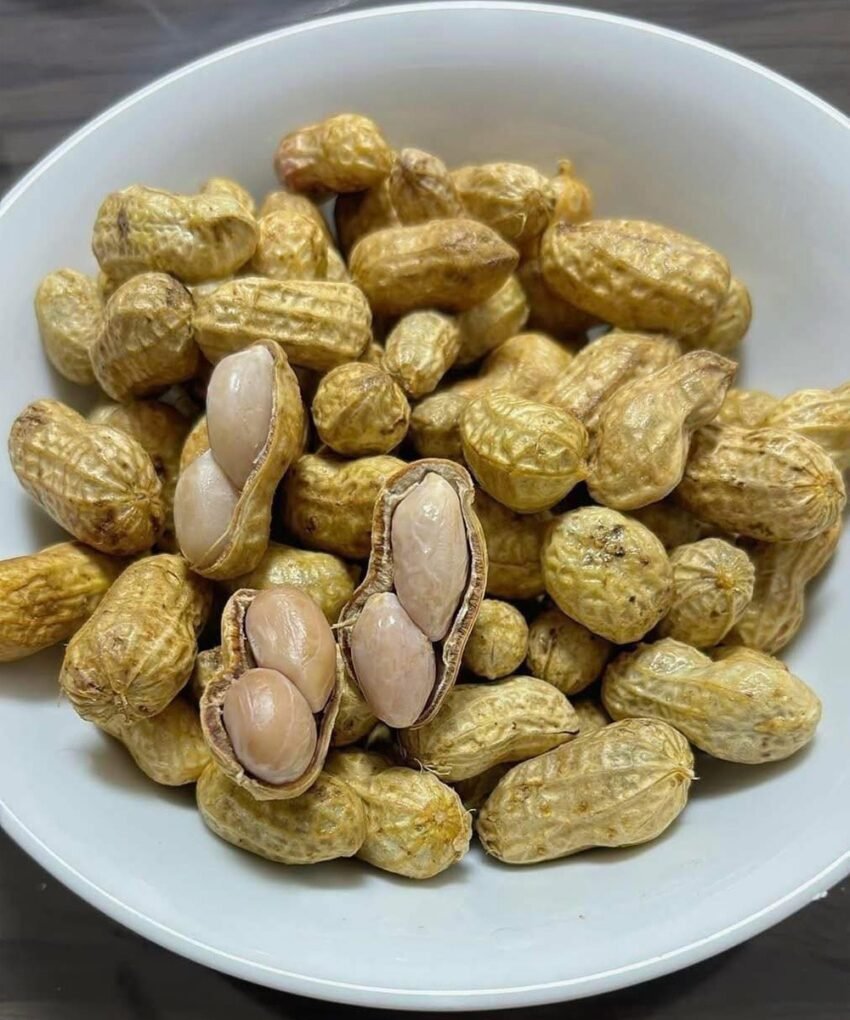
According to doctors and nutrition research, peanuts are generally healthy, but they can lead to certain problems in some situations, especially if eaten in excess or if a person has specific conditions.
Here’s a clear breakdown:
🥜 According to doctors, eating peanuts may lead to:
⚠️ 1. Allergic reactions (most important risk)
- Peanuts are one of the most common food allergens
- Reactions can include:
- Itching, swelling, hives
- Breathing difficulty
- Severe cases: anaphylaxis (medical emergency)
⚖️ 2. Weight gain (if overeaten)
- Peanuts are calorie-dense
- Eating large amounts can lead to:
- Excess calorie intake
- Gradual weight gain
👉 But in moderate amounts, they can actually help with weight control because they’re filling.
🤢 3. Digestive issues (in some people)
- Gas, bloating, or stomach discomfort
- Especially if eaten in large portions or with sensitive digestion
🧂 4. High sodium impact (if salted peanuts)
- Can increase:
- Blood pressure (in excess)
- Water retention
🦠 5. Risk from poor storage (important in some regions)
- Improperly stored peanuts can develop aflatoxins (a natural mold toxin)
- Long-term high exposure may affect liver health
- This is more common in low-quality or improperly stored peanuts
✅ What doctors ALSO say (important balance)
Peanuts can be very healthy when eaten properly:
- Rich in protein 💪
- Good fats (heart-friendly) ❤️
- Helps control hunger
- May support weight loss in small portions
🥜 Safe amount (general guideline)
- About a small handful (25–30g per day) is considered healthy for most people
⭐ Bottom line
- Peanuts are not harmful by default
- Problems happen mainly with allergy, overeating, or poor-quality storage
If you want, I can tell you:
- 🥜 Best nuts for weight loss
- 🥜 Peanuts vs almonds comparison
- 🥜 Healthy snack plan for fat loss
Just ask 👍