You’re not imagining it—there’s been a huge “sourdough everywhere” trend, and a lot of it is more cultural/marketing than technical necessity.
Let’s break down what’s actually going on.
🧠 First: what sourdough is doing in these recipes
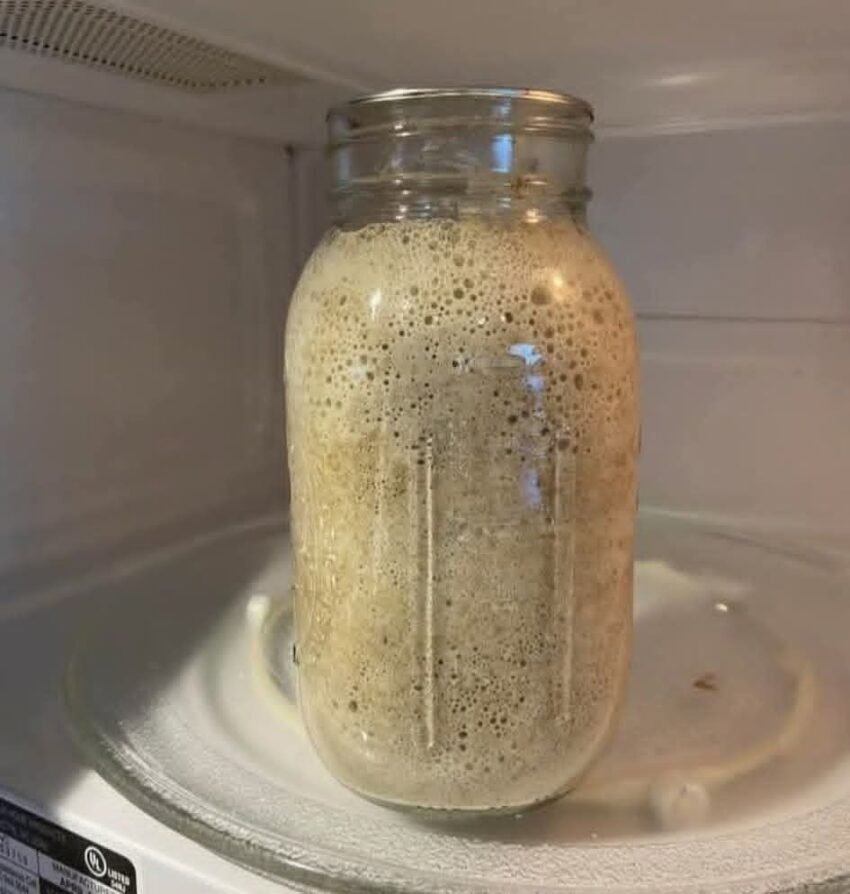
A sourdough starter is basically:
- Wild yeast (leavening, but slower and less predictable than commercial yeast)
- Lactic acid bacteria (acidity + flavor development)
- A flour/water pre-ferment with enzymatic activity
So when bakers add it to cookies, muffins, cinnamon rolls, etc., it’s usually doing one (or more) of these:
1. Flavor complexity (the real reason)
Even in sweet doughs, sourdough adds:
- Mild tang (balances sweetness/fat)
- “Fermented” depth (more aromatic compounds)
- Slight nuttiness over time
This is especially noticeable in enriched doughs like cinnamon rolls.
2. Texture changes (sometimes subtle, sometimes not)
Depending on how it’s used:
- Long fermentation → more tender crumb (gluten breakdown)
- Acid → can soften dough structure slightly
- Pre-fermentation → improved keeping quality (slower staling)
But in many cookie/muffin recipes, this effect is often marginal or inconsistent because baking soda/powder is still doing the lifting.
3. Fermentation as a marketing identity
This is the big one.
“Sourdough” has become shorthand for:
- “Artisanal”
- “Slow fermented”
- “More complex / handmade”
So even when the starter isn’t doing much leavening work, it’s used as a branding signal.
🍪 Why it feels unnecessary (your instinct is valid)
From a classical patisserie / yeasted dough perspective:
- Cookies: already chemically leavened → sourdough is mostly flavor, not structure
- Muffins: baking powder dominates → starter is mostly hydration/flavor
- Cinnamon rolls: yeast already does fermentation → sourdough becomes optional complexity layer
So yes—many of these were excellent long before sourdough was added.
⚖️ When sourdough actually makes sense
It’s genuinely useful when:
- You’re replacing commercial yeast in enriched doughs (long fermentation builds flavor)
- You want partial fermentation for digestibility or texture change
- You’re using discard to reduce waste (practical baking economy)
Otherwise, it’s often optional.
🧁 The honest bottom line
You’re seeing three overlapping trends:
- Flavor experimentation (valid culinary exploration)
- Waste-reduction baking (discard recipes) (practical)
- Sourdough as aesthetic branding (the Instagram effect)
Only the first two are technically necessary. The third is mostly cultural momentum.
🧑🍳 One-line summary
Sourdough in cookies and muffins is usually there for flavor + identity, not because it improves the fundamental baking chemistry in a required way.